





Surplus excavated material
Excavated material becomes surplus if:
- Its irrecoverable physical, chemical or biochemical quality prevents it from being used in a development;
- There is more material than required for the development; or
- The requirement for a type of material is too far away from the excavation point to make its use practicable.
Sustainable placement is the on-site placement for disposal of surplus excavated material to avoid causing environmental effects (e.g. transport) that would otherwise be associated with the off-site disposal of that material. ‘On-site’ in this context means within the land required for the purposes of the development and ‘off-site’ means external land
(or landfill site) which is not specifically required for the purposes of the development.
A sustainable placement area is an area used for sustainable placement.
Ref The HS2 London-West Midlands Environmental Statement, Glossary of terms and list of abbreviations, DETR 2013.
See also: Spoil.
[edit] Related articles on Designing Buildings
Featured articles
Check out some of the best features and news from Designing Buildings as well as key stories from around the web.
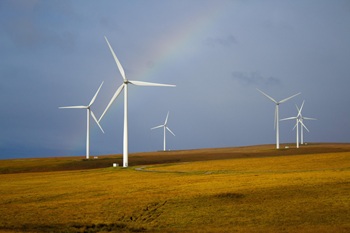
Communities will be able to build their own clean energy.
Why diversity and inclusion matters for SMEs

CIOB’s D&I Charter shows how practical changes can support long-term growth.
Cut electricity bills to power growth

Coalition sends joint letter to the Chancellor.

Gasholders: a history in pictures. Book review.
Recognition, influence and growth

SocEnv identifies three strategic pillars in new strategy to 2045.
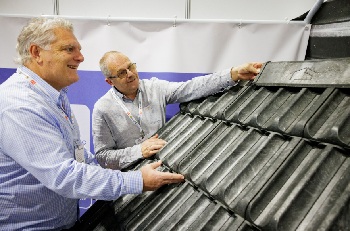
Discover the future of roofing, cladding and insulation.
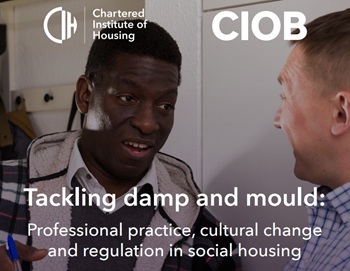
New guidance for professional practice, cultural change and regulation in social housing.

The heritage of nuclear and conventional power stations.
New measures to stop people being ripped off

Government to protect families from cowboy builders and aggressive bailiffs.

New Futurebuild showcase brings an innovation-first approach.
National Planning Policy Framework
Understanding the 2026 changes.
ECA's public affairs priorities
Member consultation opens to shape priorities for 2027 to 2030.
Comments
[edit] To make a comment about this article, or to suggest changes, click 'Add a comment' above. Separate your comments from any existing comments by inserting a horizontal line.